






A criminal driving charge places much more on the line than a traffic ticket. Your licence, job, travel plans, and even immigration status can all be affected.
Strategic Criminal Defence has helped drivers across Greater Victoria since 2021. We work to reduce charges, avoid a record, or win at trial.
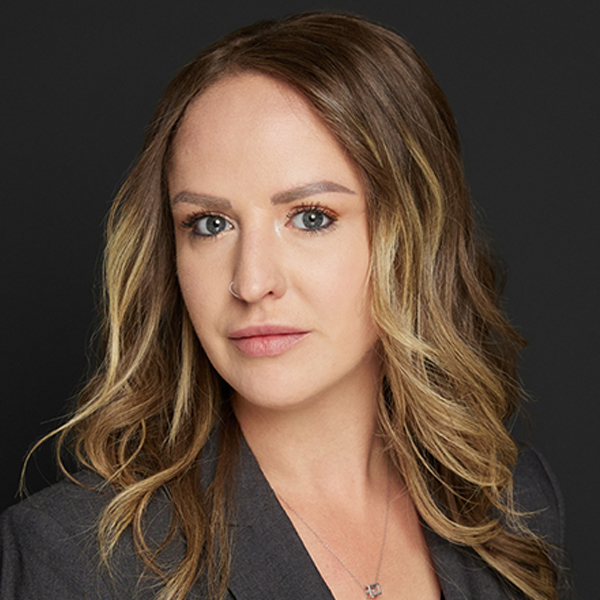
Lead lawyer, Julia Hunter, and her team offer:
- 40+ combined years of criminal defence experience.
- 75+ five-star Google reviews from past clients.
- 24/7 availability for urgent arrests and bail hearings.
We focus only on criminal defence and have defended hundreds of cases across the region. You get our full attention.
Accused of criminal driving?
If you’re accused of criminal driving, these initial steps can help:
- Stay calm and cooperate with the police. Give your name and licence when asked. Don’t try to explain what happened or answer questions about the incident before speaking with a lawyer.
- Write down what you remember as soon as you can. Note the time, location, road conditions, and any witnesses, and hold onto any dashcam or phone footage.
- Contact us right away. Call us whether you’re released with conditions, given a court date, or issued a roadside driving prohibition.
Taking these steps early helps us to immediately start protecting your licence and your record.
Contact us for a free, no-obligation consultation.
What is criminal driving, and what could happen to you?
A criminal driving charge is a federal offence that can result in a criminal record. It is different from a speeding ticket or roadside suspension under BC’s Motor Vehicle Act. The following are the main criminal driving offences we defend:
| OFFENCE | WHAT IT MEANS | PENALTY |
|---|---|---|
| Impaired driving (s.320.14) | Operating a vehicle while impaired by alcohol or drugs, or a blood alcohol level over the legal limit. | Maximum: 10 years (indictment). 2 years less a day (summary). Minimum: $1,000 fine (1st offence), 30 days (2nd), 120 days (3rd or later). |
| Failure or refusal to comply (s.320.15) | Refusing to provide a lawfully requested breath, blood, or drug test sample. | Maximum: 10 years (indictment). 2 years less a day (summary). Minimum: $2,000 fine (1st offence), 30 days (2nd), 120 days (3rd or later). |
| Dangerous driving (s.320.13) | Driving in a way that puts the public at serious risk. | Maximum: 10 years (indictment). 2 years less a day (summary). |
| Failure to stop after an accident (s.320.16) | Leaving the scene of an accident without providing help or information. | Maximum: 10 years (indictment). 2 years less a day (summary). |
| Flight from a peace officer (s.320.17) | Failing to stop once police signal you to pull over. | Maximum: 10 years (indictment). 2 years less a day (summary). |
| Driving while prohibited (s.320.18) | Driving on a suspended licence or while prohibited. | Maximum: 10 years (indictment). 2 years less a day (summary). |
Note the following:
- Each of these charges can be treated as a more serious (indictable) or a less serious (summary) case. That choice by the Crown changes the sentence you face.
- These offences carry much higher maximum penalties if they cause bodily harm or death.
- Criminal driving offences generally have no mandatory minimum penalties. The exceptions are impaired driving and refusal to comply, even for a first offence.
How could a criminal driving conviction impact you long-term?
A criminal driving conviction can follow you well past the courtroom:
- It can show up on employer background checks for years.
- It can result in a driving ban on top of an ICBC suspension.
- It can complicate travel to some countries, including the United States, depending on the charge.
- It can affect your immigration status if you’re not a citizen.
- It can lead to a Driver Risk Premium billed annually for three years, on top of any change to your regular insurance costs.
A conviction as a young adult can follow you for decades. Preventing the conviction should be a priority. That’s where your Strategic Criminal Defence lawyer’s time and effort will go.
How can Strategic Criminal Defence help?
The Vancouver Island police detachment that arrested you will photograph and fingerprint you. You will also have a police file.
In most cases, you will be released with a Promise to Appear, pending your first court date. If police hold you instead, you may be taken to the Vancouver Island Regional Correctional Centre on Wilkinson Road.
From there, we can handle the bail and release process on your behalf and can contact your loved ones.
Once you’re released, we can:
- Review the breath test, dashcam, dispatch records, and other evidence against you.
- Interview witnesses to find out their version of what happened.
- Deal with any linked driving prohibition, whether it came from the police at the roadside or from the court.
- Work to reduce your charge, avoid a record, or take your case to trial.
Will your case go to trial?
Most criminal cases in Canada do not go to trial. Many resolve through a reduced charge or diversion.
If your case does proceed, it is usually heard by a judge alone in Provincial Court at the Victoria Law Courts, 850 Burdett Avenue. Serious charges go to the Supreme Court of British Columbia instead, usually in the same building.
Testimonials
Here’s what clients have said about us. Remember that past results do not guarantee future outcomes.
C.D.
J.
L.C.
What are the main defences we use in criminal driving cases?
Victoria lawyer Julia Hunter worked inside the Crown Prosecution Service and in Judges’ Chambers before moving to defence work. That gives her a rare look at how the Crown builds a driving case, and how to challenge it.
Common defences in these cases include:
- Charter violations, such as an unlawful stop, an improper search, or a delay reaching a lawyer.
- A reasonable excuse for not stopping or not complying, which is a defence built into several of these charges.
- Problems with the evidence, such as how a breath or drug test was done, or how dashcam or dispatch records were handled.
- Lack of care or control, or evidence that you were not the one driving at the time.
- An honest and reasonable mistake about your licence status.
We examine the evidence from the Crown disclosure package. Then we identify the defence that best fits your case.
Frequently asked questions
Contact us for a free, no-obligation consultation.

Verified By: Julia Hunter, Criminal Defence Lawyer
Julia Hunter is a senior criminal defence lawyer at Strategic Criminal Defence in Victoria, BC. She has appeared at every level of court in British Columbia and has defended clients on assault, impaired driving, theft, break and enter, and sexual offence charges. Before moving to defence work, she trained with the Alberta Crown Prosecution Service and the Specialized Prosecutions Branch, giving her direct insight into how the Crown builds its case. Julia holds a Law Degree with Honours from Queen’s University Belfast.