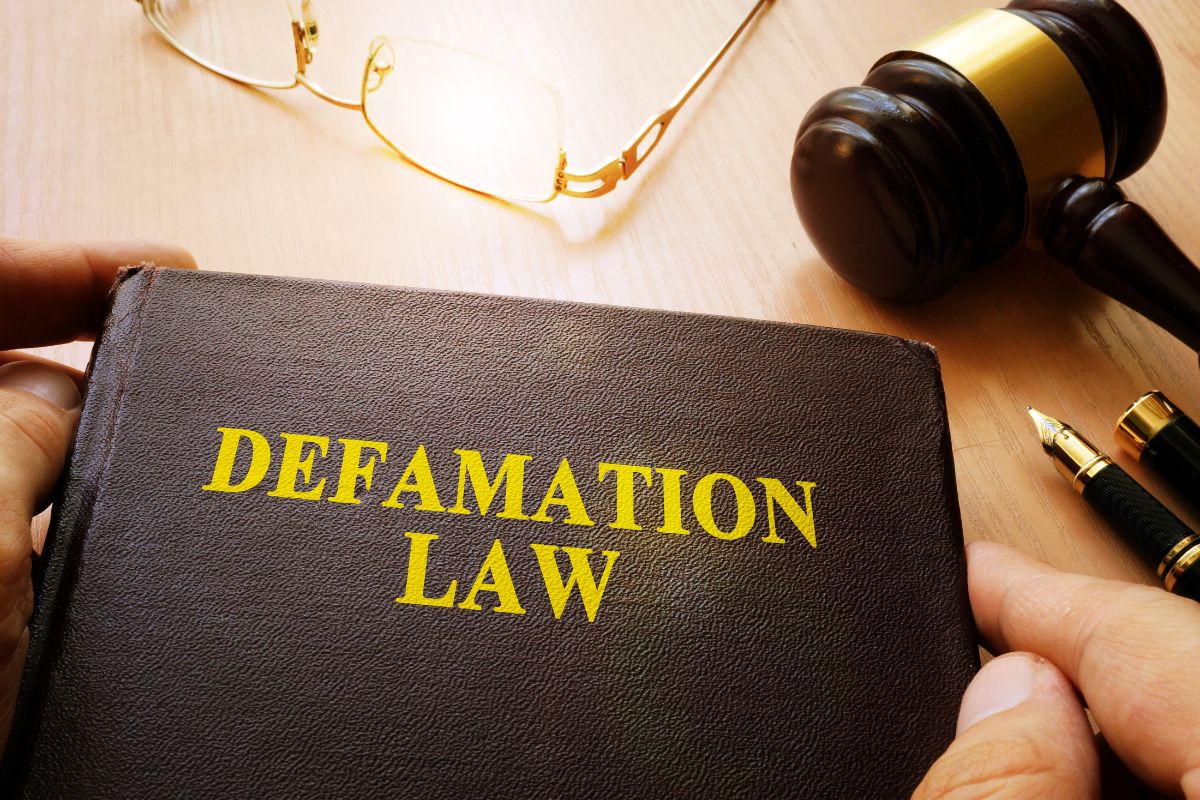



Defamatory Libel Laws in Canada Explained
Defamatory libel is a criminal offence in Canada that involves publishing false statements that harm someone’s reputation. This can lead to serious legal consequences. Our lawyers can explain the law, your rights, and how to respond if you’re facing a libel-related charge.

Solicitation (s. 213) Laws in Canada
Solicitation under Section 213 of Canada’s Criminal Code makes it illegal to communicate in public for the purpose of buying or selling sexual services. Convictions can have serious consequences. Our experienced defence lawyers provide guidance and strong representation to protect your rights.

Criminal Negligence Causing Death Laws in Canada Explained
Criminal negligence causing death is a serious offence in Canada. It involves reckless or dangerous actions that show disregard for human life and result in death. If you're facing this charge, our lawyers can help you understand your rights and build a strong legal defence.

Gun Laws in Canada: Know The Law, Know Your Rights
Understand your rights under Canada’s gun laws. From licensing and registration to safe storage and use, knowing the legal requirements is key. Our defence lawyers provide guidance and representation to help you navigate firearm charges and protect your rights.

Possession of a Weapon for a Dangerous Purpose (s. 88) Laws in Canada
Possession of a weapon for a dangerous purpose under Section 88 of the Criminal Code involves carrying a weapon with intent to harm or intimidate. It’s a serious offence with strong penalties. Our lawyers can help you understand the charges and build a strong defence.

Indecent Act (s. 173) Laws in Canada
An indecent act under s.173 of the Criminal Code involves engaging in offensive or obscene behavior in public with intent to insult or offend. If charged, penalties can be severe. Our lawyer can help defend your rights and guide you through the legal process.

Driving While Disqualified (s. 259) Laws in Canada
Driving while disqualified under Section 259 of the Criminal Code means operating a vehicle despite a court order banning you from driving. It’s a serious offence with added penalties. Our lawyers can help you understand the consequences and defend your case in court.

Assault Causing Bodily Harm (s. 267(b)) Laws in Canada
Charged with Assault Causing Bodily Harm under s. 267(b) of the Criminal Code? This offence involves intentional force resulting in injury and carries serious legal consequences. Our defence lawyers can help protect your rights and build a strong legal strategy.