


Unauthorized Use of Computer (s. 342.1) Laws in Canada
Unauthorized Use of Computer (s. 342.1) under Canadian law covers accessing, using, or altering computer data without permission. These offences carry serious consequences, including fines or imprisonment. Learn your rights, possible defences, and the importance of legal representation.

Aggravated Sexual Assault (s. 273) Laws in Canada
Aggravated sexual assault under s. 273 of the Criminal Code is among the most serious offences, involving sexual assault that wounds, maims, disfigures, or endangers life. Penalties are severe. Learn the law, available defences, and why strong legal representation is critical.

Overcoming Resistance (s. 246) Laws in Canada
Overcoming resistance under Section 246 of the Criminal Code involves using violence, threats, or force to facilitate another offence like assault or robbery. It’s a serious crime with severe penalties. Our lawyers can help you understand your charges and defend your rights.

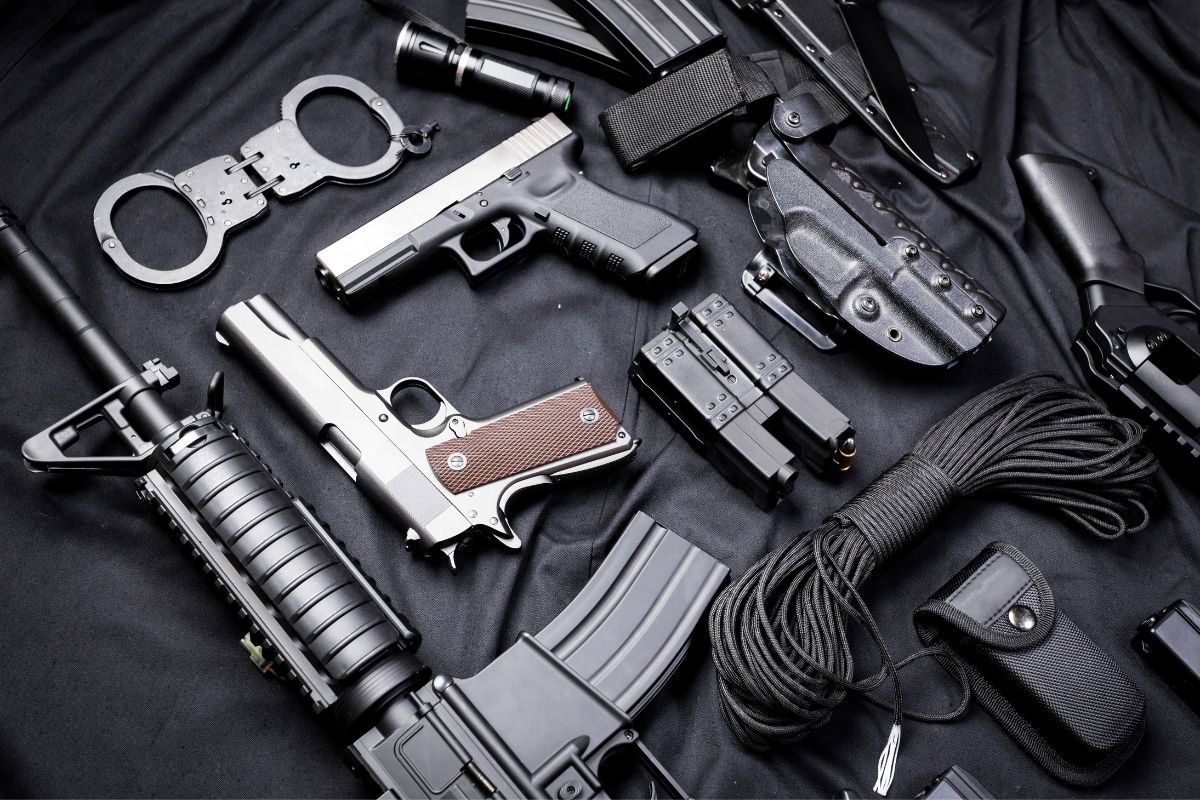
Possession of Unauthorized Firearm (s. 92) Laws in Canada
Possession of an unauthorized firearm under s.92 of the Criminal Code is a serious offence in Canada. Having a gun without proper licensing or registration can lead to strict penalties, including jail. Our lawyer can review your case, explain your options, and build a strong defence.

Theft and Forgery of a Credit Card (s. 342) Laws in Canada
Charged under Section 342 of the Criminal Code? Learn what qualifies as credit card theft or forgery in Canada, the penalties involved, and your legal options. Our criminal defence lawyers explain your rights and how to protect yourself if facing credit card fraud charges.

Assault Peace Officer (S. 270) Laws in Canada
Assaulting a peace officer under Section 270 of the Criminal Code is a serious offence in Canada. This includes using force, threats, or resistance against police or other officials. Convictions can lead to jail time. Learn your rights and how our lawyers can protect your defence.

Possession of a Restricted or Prohibited Firearm (s. 95) Laws in Canada
Possession of a restricted or prohibited firearm under s.95 of the Criminal Code is a serious offence in Canada, carrying mandatory minimum jail sentences. Our lawyer can review your case, explain potential defences, and fight to protect your rights against these severe charges.

Sexual Assault with a Weapon (s. 272) Laws in Canada
Sexual assault with a weapon under s. 272 of the Criminal Code is a serious offence combining sexual violence with threats or use of a weapon. Convictions carry severe penalties. Learn about the law, potential defences, and why strong legal representation is crucial in these cases.