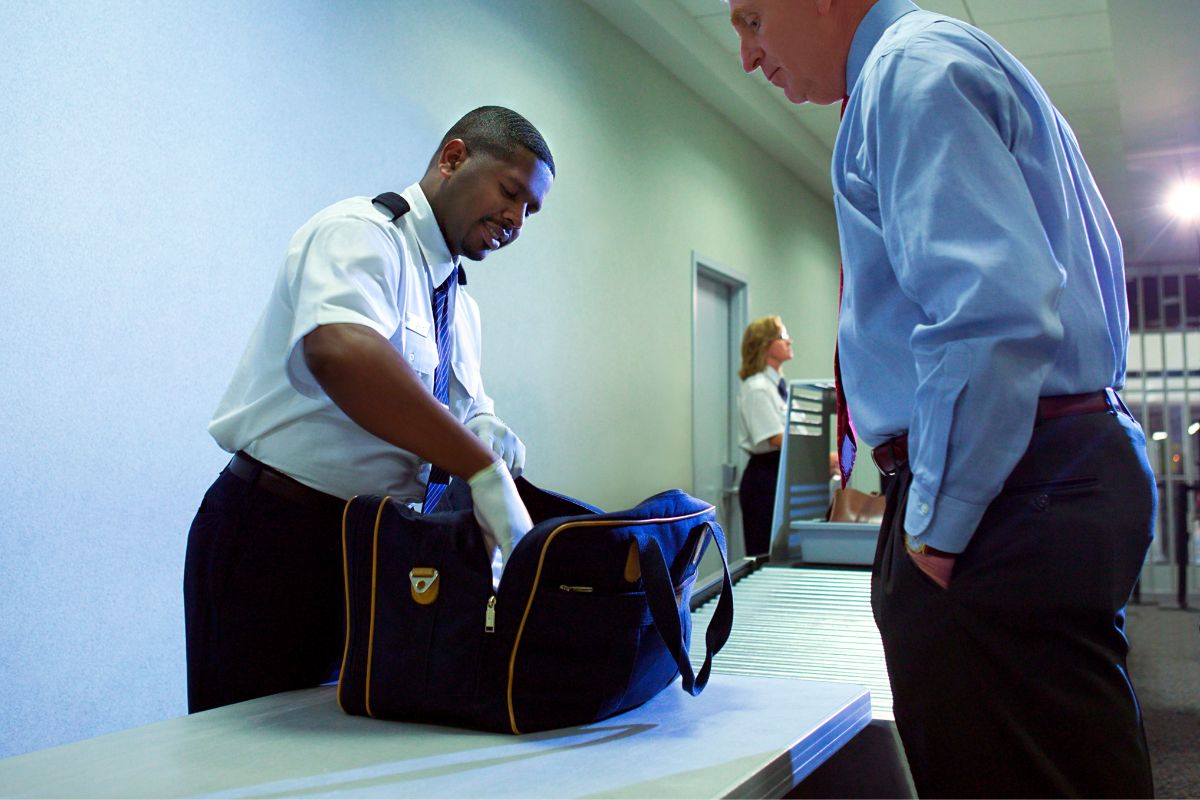



Border Searches of Electronic Devices: What are Your Charter Rights at the Canadian-U.S. Border
Facing a border search of your phone or laptop can feel invasive. Learn what the law actually allows, when officers need grounds, and how your Charter rights apply when entering Canada from the U.S. Our defence lawyers explain your rights and how to protect them.

What the ‘Reverse Onus’ Bail Change Means for Your Freedom in Canada
Reverse onus bail laws shift the burden onto the accused to justify release. Learn how these changes affect bail hearings in Canada, what Crown must still prove, and how experienced defence lawyers can protect your freedom at the earliest stage.

Can You be Extradited from Canada?
Extradition from Canada is possible if another country requests it under a treaty or legal agreement. The process involves strict rules and safeguards, but it can still lead to removal. Our defence lawyers explain your rights and fight to protect you if you face extradition proceedings.

Flight from Peace Officer Laws in Canada Explained
Flight from a peace officer falls under section 320.17 of the Criminal Code of Canada. It prohibits a person from fleeing from a peace officer while operating a motor vehicle, as it is deemed a criminal offence. This offence is committed when a driver intentionally avoids stopping their vehicle without a justifiable reason, with the aim of escaping the police officer. Flight from a ...

Attempts and Accessories After the Fact Laws in Canada Explained
Attempts and being an accessory after the fact are criminal offences in Canada. Even if the crime wasn’t completed, helping someone commit or escape responsibility for a crime can still lead to serious charges. Learn how our defence lawyers can help protect your rights.

Understanding Extradition Treaties in Canada
Extradition treaties in Canada allow people accused or convicted of crimes to be sent to another country to face charges. Understanding your rights under these treaties is important if you are facing extradition

Fabricating Evidence (s. 137) Laws in Canada
Fabricating evidence under s.137 of the Criminal Code is a serious offence in Canada. It involves creating or altering evidence with intent to mislead the court or police. Conviction can result in harsh penalties, including imprisonment. Our lawyer can defend you if you face these charges.

The Stages of a Criminal Trial in Canada
A criminal trial in Canada follows key stages: investigation, charges, bail hearings, preliminary inquiry, trial, and sentencing. Each step protects the accused’s rights while ensuring justice is served. Understanding these stages helps you know what to expect in the legal process.